




Blog / Oil Change Service

Blog

All Oil Change Service State College Chevrolet Dealer Stocker Chevrolet Family SUV 2026 Chevrolet Tahoe 2026 Chevrolet Silverado 2026 Chevy Colorado Change Your Oil in Pennsylvania Chevy Trucks Synthetic vs Conventional Oil 2026 Chevrolet Equinox 2026 Chevrolet Equinox EV 2026 Chevrolet Tahoe Models 2026 Chevrolet Tahoe Specs and Trims 2026 Chevy Equinox EV 2026 Chevy Suburban 2026 Chevy Trax Appraisal Trade-In Trade-In Journey at Stocker Chevrolet Used Chevrolet
Engine oil being poured during an oil change service.

How Often Should You Get an Oil Change? A Pennsylvania Driver's Guide

It can be confusing deciding when it’s time to get your oil changed, as the answer has changed quite a bit over the years. So, if you're cruising in State College, PA, or putting miles on your Chevy out on rural back roads, knowing when it’s time to change the oil is one of the simplest things you can do to protect your vehicle. Why Oil Changes are Important Regular oil changes are the foundation of good vehicle maintenance. Engine oil lubricates moving parts, reduces friction, and helps keep your engine running at the right temperature. Over time, oil breaks down and picks up contaminants that can reduce its effectiveness. Skipping this service - even occasionally - can lead to accelerated engine wear and costly repairs down the road. How Often Should You Get an Oil Change? The old rule of thumb was every 3,000 miles, but that guidance is outdated for most of today's vehicles. Many Chevys using full synthetic oil are designed to go 7,500 to 10,000 miles between oil changes under normal driving conditions. However, the right interval depends on a few key factors. Your driving habits are a key factor. Short trips, frequent stop-and-go traffic, and cold-weather starts can all put extra stress on your engine oil. If you regularly drive in these conditions - which many Pennsylvania drivers do during winter months - you may need an oil change more frequently than the standard recommendation. Always check your owner's manual for the manufacturer's recommended interval and pay attention to your vehicle's oil life monitoring system if it has one. Conventional vs. Synthetic Oil Conventional oil typically requires changes every 3,000 to 5,000 miles, while full synthetic oil can last significantly longer. Most newer Chevrolets are designed to use synthetic oil, which offers better performance in both extreme heat and cold temperatures. If you're unsure which type of oil your vehicle requires, your owner's manual is the best resource. A certified technician can also help you determine the right oil for your specific model and driving conditions in State College, PA. Signs It's Time for an Oil Change Even if you haven't hit your mileage interval yet, there are a few signs that your oil may need to be changed sooner. Dark, dirty oil on the dipstick, a low oil level warning light, or a noticeable engine noise are all signals worth taking seriously. Staying ahead of these issues is what vehicle maintenance is all about. A quick Chevy oil change can prevent problems that would otherwise develop quietly over thousands of miles. How to Stay on Schedule The easiest way to stay on track is to follow your vehicle's built-in oil life monitor. This system tracks driving patterns and alerts you when it's time to schedule service. You can also set a calendar reminder based on your typical monthly mileage. Visit Stocker Chevrolet for Your Next Oil Change Understanding how often to get an oil change is only half the battle - the other half is making it easy to follow through. At Stocker Chevrolet, our Certified Service team is ready to help you keep your vehicle running at its best. Stop by or visit us online to schedule your next oil change service.
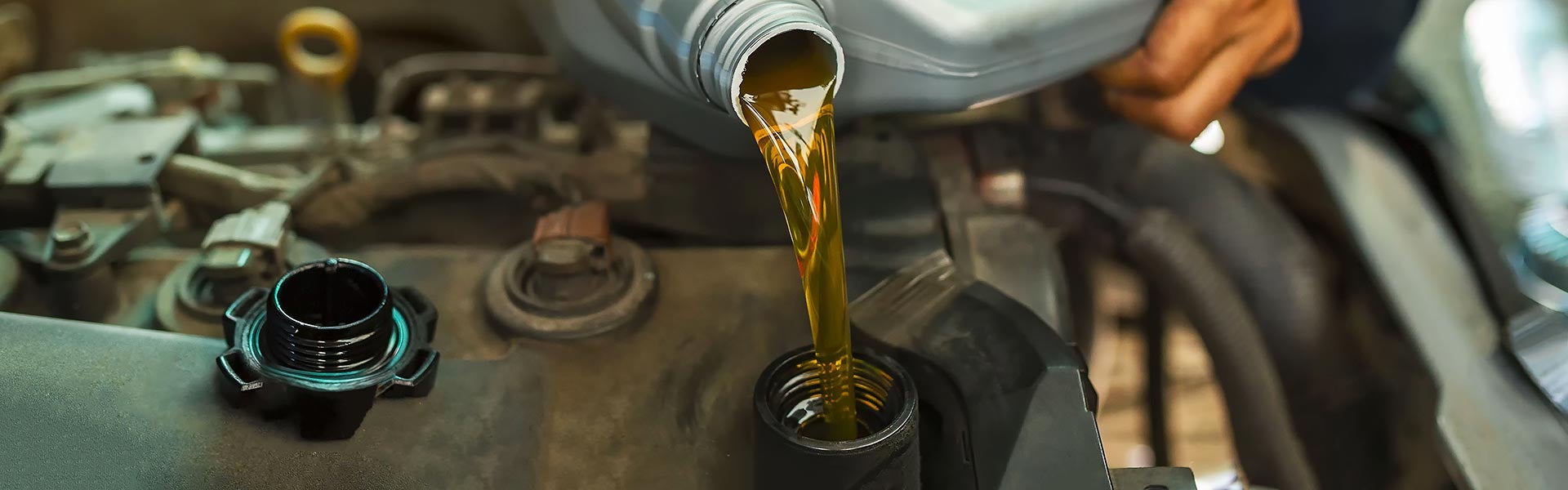

Oil being poured into a vehicle engine during an oil change service.

Synthetic vs Conventional Oil: What Pennsylvania Drivers Need to Know

If you drive a Chevy in State College, PA, choosing the right motor oil is more important than you might think. The question of synthetic vs conventional oil is one that comes up often, and for good reason. Pennsylvania's climate swings from frigid winters to hot, humid summers, and those extremes can impact how your engine performs from season to season. Understanding your oil options helps you make smarter decisions for your vehicle and your wallet. What Is the Difference Between Synthetic and Conventional Oil? When comparing synthetic vs conventional oil, it helps to start with the basics. Conventional oil comes from crude oil that is refined and processed. Synthetic oil, on the other hand, is engineered in a lab to offer more consistent molecular structure and better performance across a wider range of temperatures. Synthetic oil resists breakdown better during extreme heat and flows more easily in cold temperatures. That makes it especially useful during Pennsylvania winters, when temperatures can drop well below freezing. How Often Should You Change Your Oil in Pennsylvania? How often should you change your oil in Pennsylvania? The answer depends on a few factors, including the type of oil you use, your driving habits, and your vehicle's age. With conventional oil, most vehicles need a change every 3,000 to 5,000 miles. Synthetic oil typically allows for intervals of 7,500 to 10,000 miles or more, depending on your specific vehicle. If your Chevy features an oil life monitoring system, it will alert you when a change is needed based on your real-world driving conditions. Short trips, towing, or stop-and-go traffic in State College can all shorten the window between changes, even with synthetic oil. Which Oil Is Right for Your Chevy? Most newer Chevy models come from the factory with full synthetic oil and are designed to perform best with it. If you drive a 2026 Silverado, Equinox, or Traverse, checking your owner's manual is the best starting point to confirm the recommended oil type and viscosity. Older vehicles may still run well on conventional oil, but many drivers choose to upgrade to synthetic for added engine protection. If you're unsure what's best for your specific model, a certified technician can point you in the right direction. When it comes to synthetic vs conventional oil, there is rarely a one-size-fits-all answer, but synthetic tends to offer advantages for most daily drivers. How Pennsylvania's Climate Affects Your Oil Choice Pennsylvania's seasons put real demands on engine oil. Cold winter mornings require oil that flows quickly at startup to protect engine components before they warm up. Synthetic oil performs significantly better in these conditions compared to conventional oil, which can thicken in low temperatures. Summer heat is also a factor. Synthetic oil maintains its viscosity more reliably under high operating temperatures, which is important for drivers who spend time on highways or tow trailers. How often should you change your oil in Pennsylvania also depends on seasonal driving patterns, so it's worth considering both summer and winter use when planning your maintenance schedule. Visit Stocker Chevrolet for Oil Change Service When it comes to synthetic vs conventional oil in Pennsylvania, the right choice can extend the life of your engine and keep your Chevy running dependably. Drivers throughout State College, PA, trust Chevrolet Certified Service technicians to use the right oil for their specific vehicle. Come in and see the service pros at Stocker Chevrolet or visit us online to schedule your next oil change and keep your vehicle performing at its best year-round.

Contact Us

Fill out this form below and we'll contact you shortly
*Required Fields