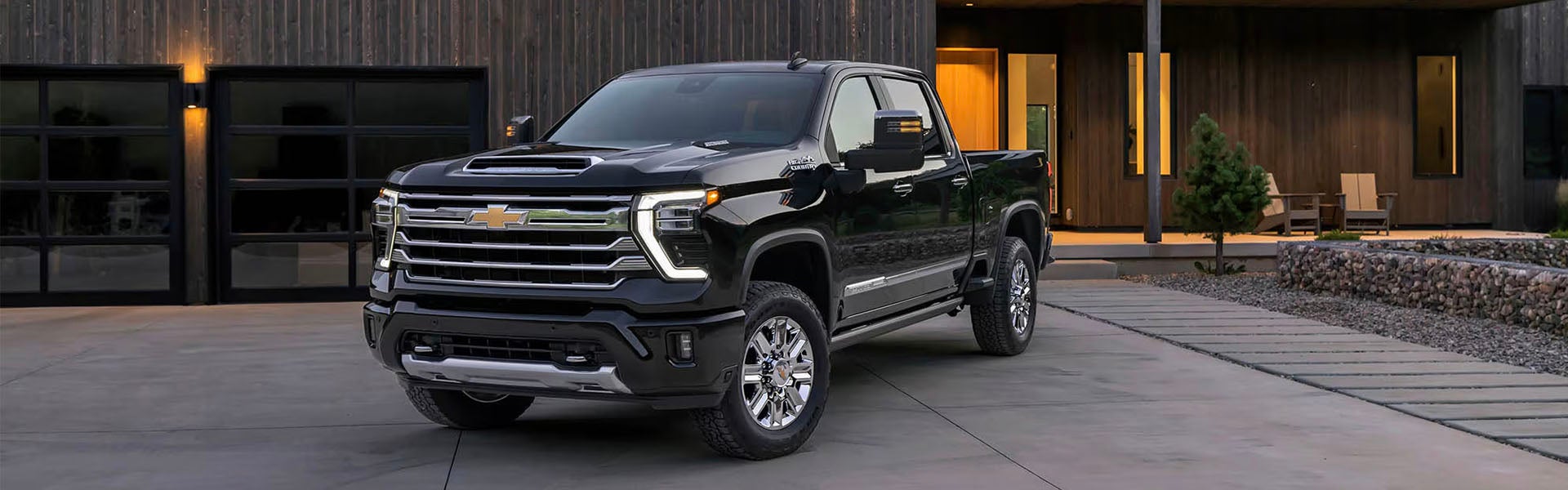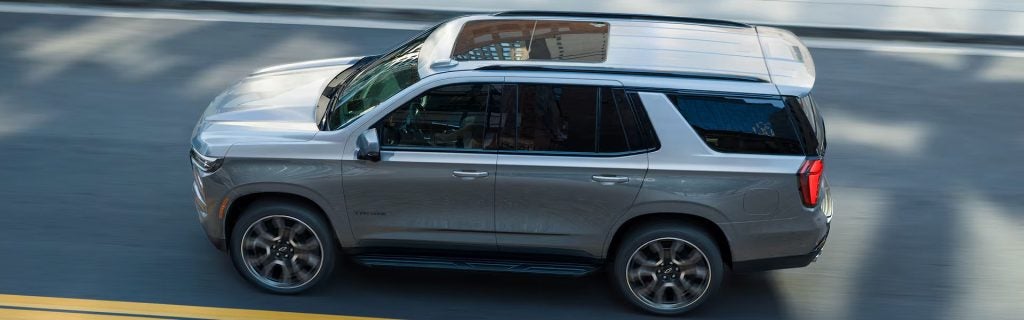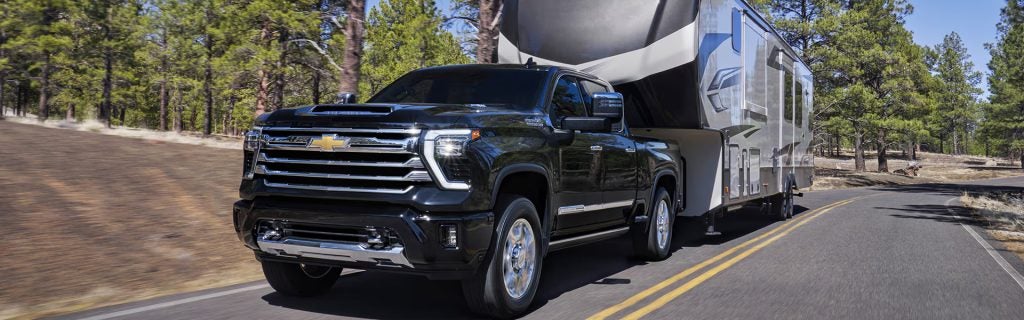





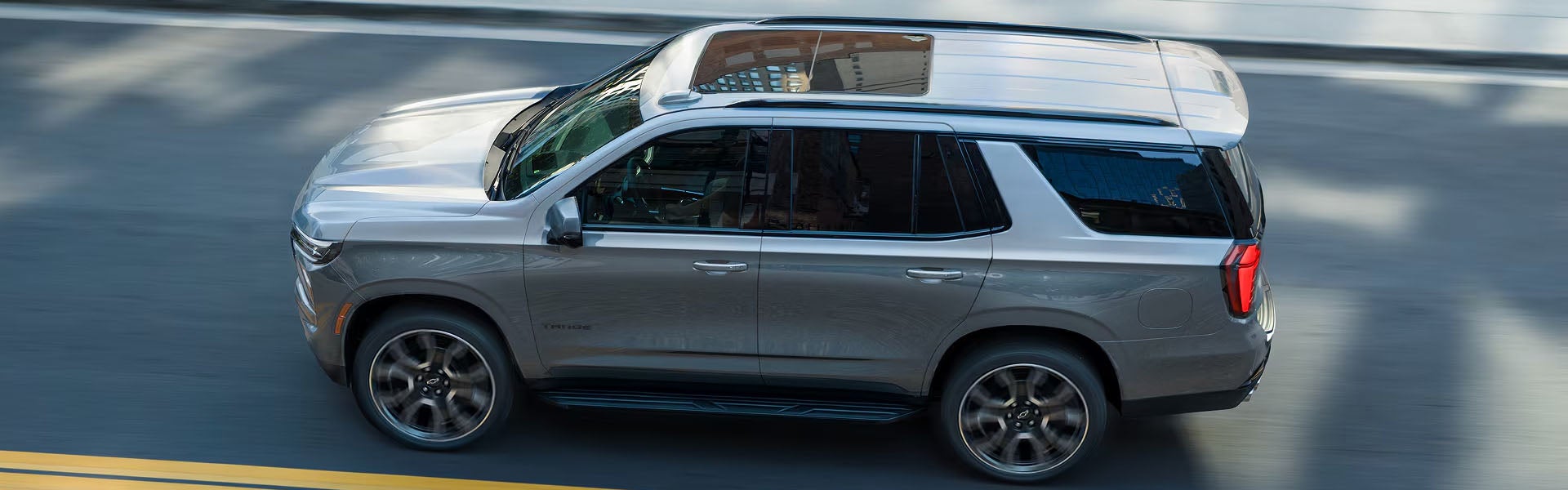
When it comes to the huge SUVs, the Chevy Tahoe and Suburban always come to mind, but how do you choose between them? The Chevrolet Tahoe and Suburban are both are full-size SUVs built on the same proven platform—but they’re not identical. The Tahoe delivers a slightly more manageable footprint while the Suburban extends the body to offer significantly more interior room, which larger families in State College, PA appreciate. If you’ve been weighing your options, understanding the core differences between these two can make your decision a lot easier. Cargo and Passenger Space This is where every driver starts. The Suburban's longer wheelbase translates directly into more cargo space behind the 3rd row than the Tahoe—we’re talking 25.5 cu. ft. compared to 41.5 cu. ft. That makes the Suburban popular for larger families who also need everyday space for sports equipment, gear for multiple people, and big dog crates. The Tahoe still seats up to 9 passengers and provides solid cargo room when it’s fully-loaded with passengers, but the Suburban gives you a noticeable edge when every cubic foot counts. If you regularly load up for road trips with the entire family or have bulky equipment, the Suburban's extra length pays off. But if you primarily drive in tighter urban areas, the Tahoe's slightly shorter body can be easier to park and maneuver. Towing and Performance The Chevrolet Tahoe and Suburban share powertrain options, so you aren’t giving up capability by choosing one over the other. Both come with a 355-hp 5.3L V8 and offer a 420-hp 6.2L V8. They also both offer a Duramax® Turbo-Diesel engine with 495 lbs.-ft. of torque, which is a huge advantage for anyone who tows, even for long distances, frequently. Either SUV is a capable partner for drivers in State College, PA who need to pull a boat, camper, or trailer on a regular basis. Towing capacity differs ever-so-slightly between the two. The Suburban's longer frame lets it tow 8,200 lbs., while the Tahoe can handle 8,400. Both SUVs are designed to handle serious workloads without compromising everyday comfort and drivability. Features and Technology Both models show off a Best-in-Class 17.7” infotainment system touchscreen with wireless smartphone compatibility. Available wireless charging, a built-in Wi-Fi® hotspot, and a comprehensive suite of driver safety features top it off. Higher trim levels on both the Tahoe and Suburban bring premium interior finishes, heated and ventilated seating, and advanced driver assistance systems. The High Country trim represents the top of the lineup for both, offering a refined and sophisticated driving experience that rivals many luxury segment vehicles. Unique styling, the full package of technology including a rear camera mirror and 15” Head-Up Display, and Magnetic Ride Control with available 4-Corner Air Ride Adaptive Suspension are some of the upgrades you’ll find with the High Country. Which One Is Right for You? When comparing the Chevrolet Tahoe vs. Suburban, it ultimately comes down to your space, seating, and driving needs. Both full-size Chevy SUVs offer impressive capability, versatility, and family-friendly features, but each is designed with a slightly different type of driver in mind. The Chevrolet Tahoe offers full-size SUV capability in a more manageable overall package, making it a great option for families and drivers who want plenty of passenger and cargo space without going quite as large. The Chevrolet Suburban takes interior versatility to the next level, with additional cargo room and passenger space for those who regularly travel with a large family, haul gear, or take extended road trips. Both are strong options for active households and drivers who need dependable, versatile transportation. Visit Stocker Chevrolet Today Whether the Chevrolet Tahoe vs. Suburban debate has you leaning one way or still on the fence, the team at Stocker Chevrolet is ready to help you find the right fit. Drivers throughout State College, PA and surrounding areas can explore both models in person and experience the difference firsthand. Visit us online to browse current inventory and get started today.
Best Used Cars for Sale in State College, PA: What to Look For
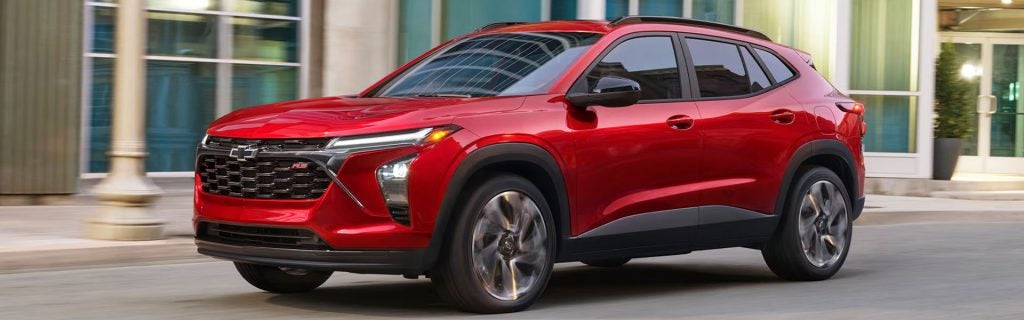
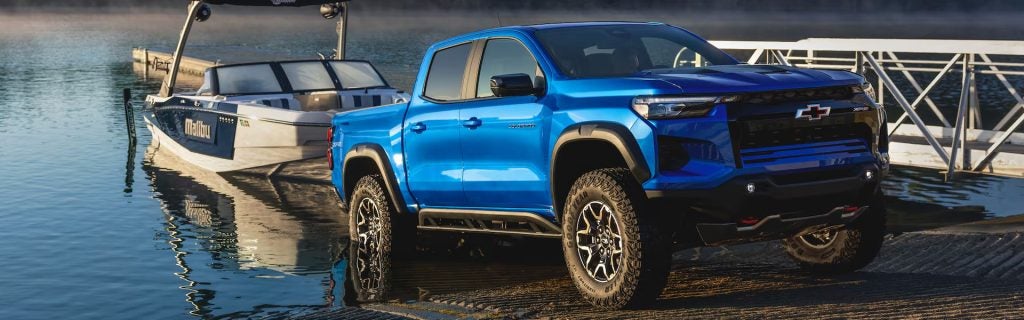
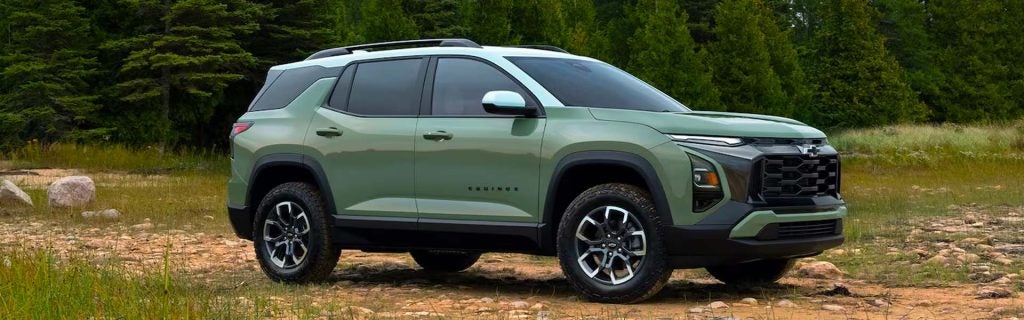
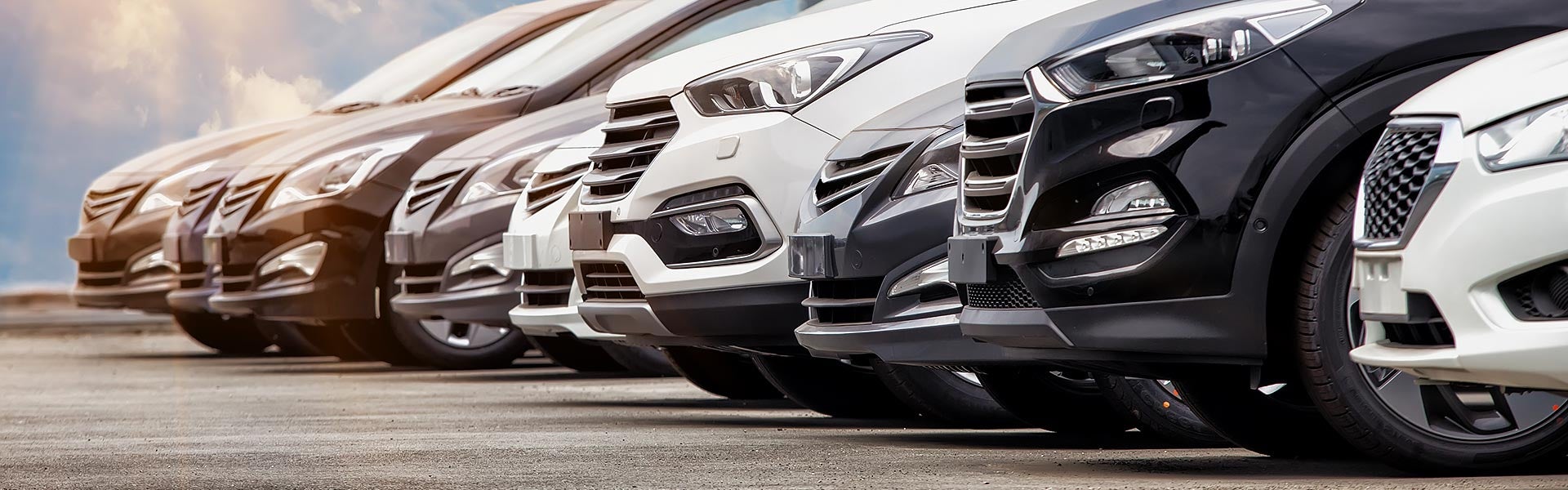
Finding the best used cars for sale in State College, PA can feel overwhelming. There’s a lot of choices, a lot of risk, and a lot of considerations—but it doesn’t have to be complicated. Whether you’re a first-time buyer, a Penn State student, or a local family looking to stretch your budget further, knowing what to look for before you start shopping makes the whole process a lot smoother. Here’s a straightforward guide to help you find a quality pre-owned vehicle that won’t break down—or make you break down. Set a Realistic Budget Before You Shop Before you start browsing used cars, it’s smart to know exactly how much you can comfortably spend each month. Factor in not just the purchase price, but also insurance, registration, and routine maintenance costs. Getting pre-approved for financing before you visit a dealership gives you a clearer picture of your purchasing power and puts you in a stronger position when it comes time to talk numbers. Research Vehicle History and Reliability When shopping for a used car, a vehicle history report is one of the most important tools at your disposal. Request a report for any car you’re seriously considering, and review it for prior accidents, ownership history, odometer readings, and title status. Reliability ratings and owner reviews for specific model years can also help you narrow down your choices and avoid vehicles with known recurring issues. Prioritize a Thorough Inspection No matter how clean a used car looks on the lot, always schedule a professional pre-purchase inspection before committing. A Certified mechanic can spot issues that aren’t visible to the untrained eye, including brake wear, suspension problems, and more obscure signs of rust. Drivers throughout State College, PA know that Pennsylvania winters and road conditions can take a toll on vehicles, so paying close attention to undercarriage condition is particularly important in this region. Choose the Right Body Style for Your Lifestyle It’s easy to get excited about a shiny new-to-you vehicle, and the Chevrolet lineup offers a wide range of pre-owned options that work well for different types of buyers. But you’ve got to think about what you need, not just want you want. If efficiency is a priority—and it always seems to be—compact SUVs like the Equinox and Trailblazer are popular pre-owned choices. They’re versatile, able to switch between passengers and cargo space, both offer AWD, and won’t break the bank at the pump. For those who need more hauling power or towing capability, a used Silverado is a proven workhorse. If you want something super capable but a little more manageable for driving in the city and parking, the Colorado is midsize but mighty. Knowing how you plan to use your vehicle day to day will help you zero in on the right body style and trim level faster. Look for Certified Pre-Owned Advantages If you want added peace of mind, a Certified Pre-Owned vehicle might be your match. They come with a pricetag between new and your standard used vehicle. But these are not your everyday used vehicles. They have to adhere to strict mileage and age guidelines, go through a rigorous multi-point inspection, and any parts that don’t pass must be repaired or replaced before earning CPO status. Certified Pre-Owned vehicles also come with limited warranty coverage, roadside assistance, a vehicle history report, and other benefits that standard used vehicles don’t. For those shopping for used cars State College PA dealerships carry, certified options represent a strong middle ground between buying new and buying traditional used. Ask About Warranty and Service History Even on non-certified used vehicles, it’s worth asking about any remaining factory warranty coverage and reviewing the vehicle's service records. A well-maintained car with documented oil changes, tire rotations, and other routine services is a much safer investment than one with gaps in its history. Consistent maintenance records are one of the clearest signs that the previous owner took good care of the vehicle. You Can Do This Finding the best used car for your drives around State College, PA comes down to doing your homework, knowing your priorities, and working with a dealership you can trust. From setting a realistic budget to reviewing vehicle history and choosing the right model for your lifestyle, every step you take upfront saves you time and money down the road. Visit Stocker Chevrolet to browse a wide selection of quality pre-owned vehicles and let our team help you find the right fit.